The Quiet Lesson of an Antique Store
Lark Lauren 7.29.2026
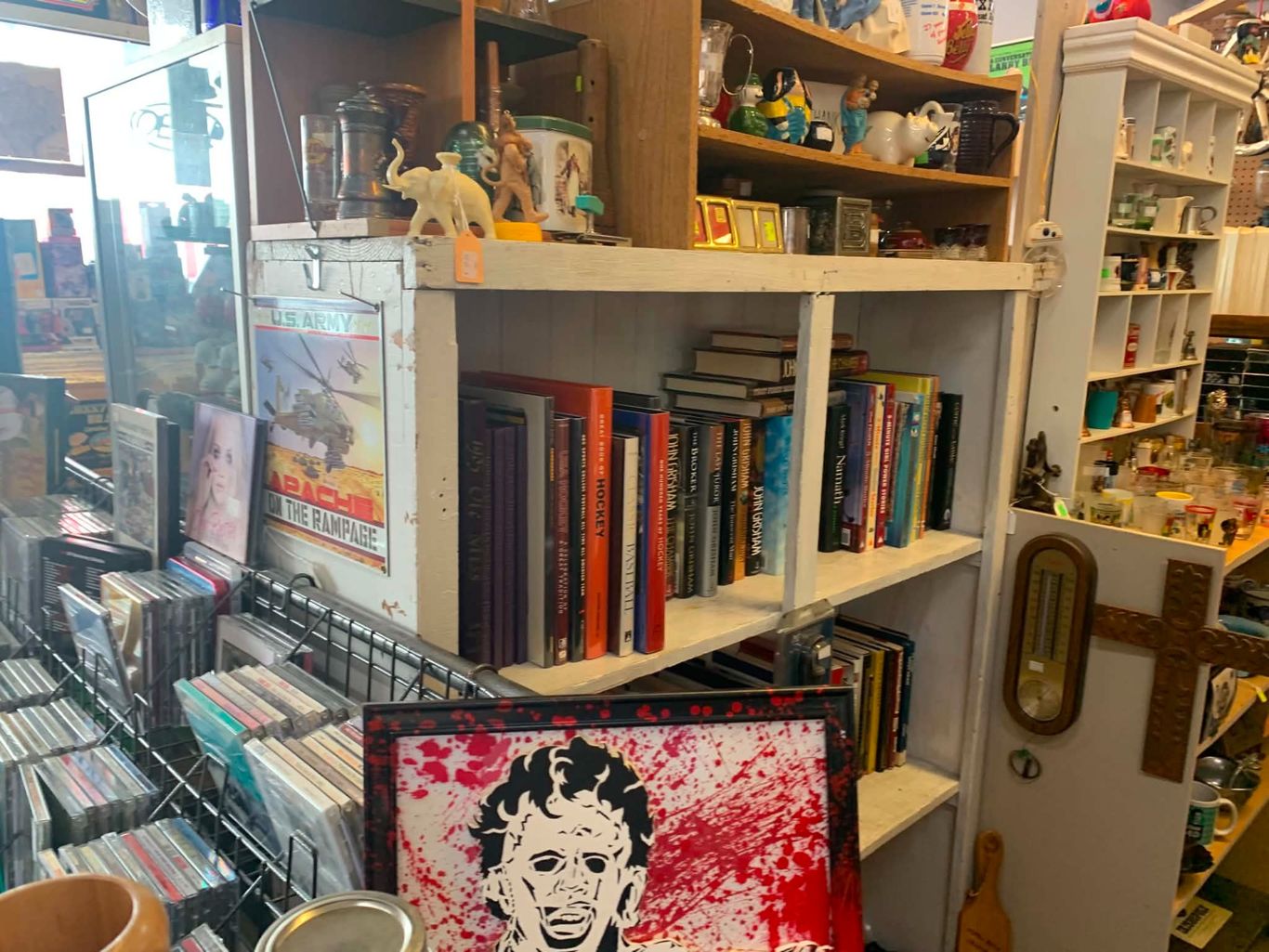
Walking through the antique store felt like entering a quiet archive of human lives. Every shelf held objects that once carried meaning: a sewing machine that shaped clothing for a family, toys that once sparked joy, glassware that hosted celebrations, books that informed someone’s worldview, instruments that once filled a room with sound. All of it arranged carefully, yet carrying the unmistakable weight of being left behind.
As I moved through the aisles, the realization grew steadily. We gather so many things across a lifetime, convinced they will add value, comfort, identity, or permanence. Yet here they were, detached from the stories that once made them important. What remains is only the physical residue of moments that have already passed. The store became a mirror reflecting the human tendency to accumulate, not because we truly need these objects, but because we fear emptiness or the feeling that something might be missing.
I noticed myself resisting the impulse to buy anything. The shelves were full, but nothing called to me. I felt unexpectedly calm, almost immune to the desire to take something home. Still, two items stood out, not as possessions to collect, but as pieces that carried cultural depth and symbolic resonance. One was a book on ancient America, the other connected to Tibetan bells. They felt meaningful, aligned with my interests, and not part of the usual pattern of gathering. They were exceptions that fit into my inner landscape rather than additions to clutter.
Even with those small choices, the larger insight remained unchanged. The store revealed how easily possessions become burdens, how quickly they lose relevance, and how often they outlive the meaning we attach to them. It also brought forward another reflection, the sense of urgency that sometimes appears in daily life, the feeling of being pushy or pressed for time. Surrounded by the remnants of other people’s choices, it became clear that this pressure does not come from time itself. It comes from the belief that we must constantly add, improve, acquire, or secure something. The antique store showed the opposite. Time eventually dissolves the importance of most things we chase. What once felt essential becomes irrelevant later.
The modern world adds another layer to this realization. Many of the items that once served essential roles, books, tools, media, gadgets, have been replaced by digital versions. When so much is online, the need to gather physical objects becomes smaller. Yet the habit persists. The store revealed how deeply rooted that habit is, how it continues even when the practical need has faded.
The deeper lesson of the visit was not about minimalism or decluttering. It was about awareness. The antique store became a symbolic landscape showing how consciousness evolves. At lower layers, we cling to objects as extensions of identity. As awareness expands, the need to gather fades, replaced by a desire for clarity, spaciousness, and inner meaning. The store illustrated the transition from accumulation to understanding, from possession to perception.
Leaving with only two meaningful items felt like a quiet affirmation of that shift. It was not restraint but recognition, a moment of seeing clearly that what truly matters is not found on shelves. The objects we collect eventually become someone else’s forgotten items. The awareness we cultivate, however, remains with us. It shapes how we perceive, how we choose, and how we grow.
The antique store offered a simple but profound insight. We carry too much, both physically and mentally, and most of it is unnecessary. What we truly need is not more things, but more presence, more clarity, more consciousness.
Stay connected to new essays from Spirital Space.