The Last Jailer: Metallica, Rumi, and the Dissolution of the Inner Court
Lark Lauren 9.29.2026
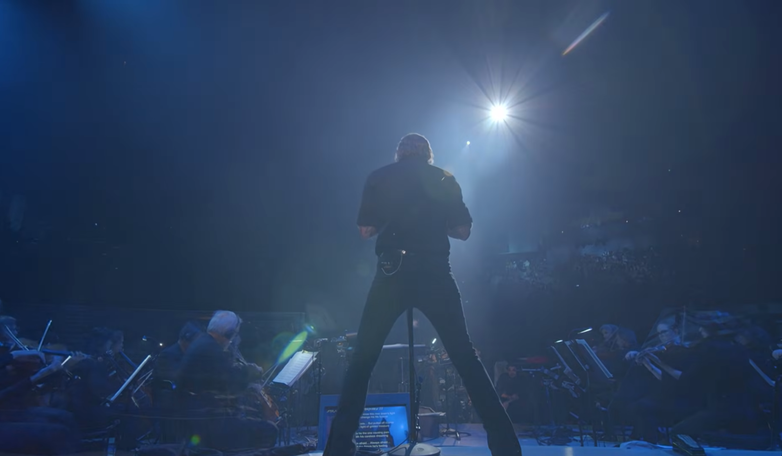
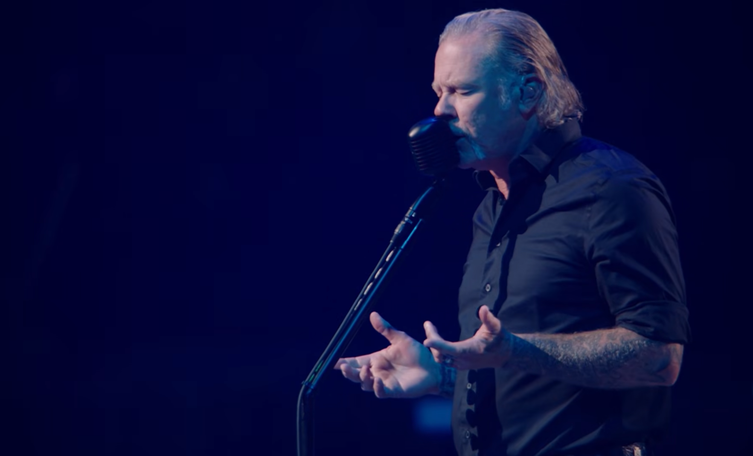
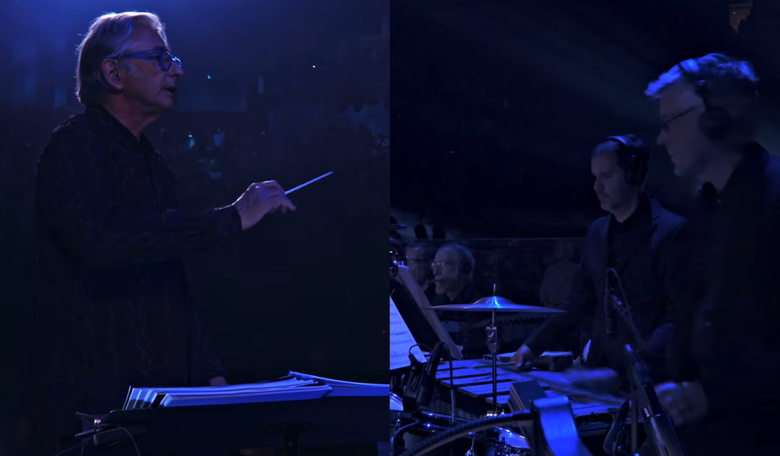
When James Hetfield stands alone at the Chase Center backed solely by the San Francisco Symphony for the S&M2 performance of The Unforgiven III, the dynamic of a usual rock concert breaks down. Stripped of his electric guitar, he steps into an older, sacred archetype, acting as a modern savior who operates through raw vulnerability. He bears the unpolished shadow of addiction, regret, and internal drift, offering the audience a mirror.
This vulnerability feels vital in a world dominated by automated noise and efficiency metrics. When the senses fall silent, the mind invents artificial problems just to create the illusion of movement. When corporate or personal momentum stalls, the standard instinct is to push harder with tighter controls, more data, and extra pressure. Hyper-optimized AI systems often add static and confusion, spinning inside their own refinement to the point of monotony.
Online spaces intensify this monotony. Numbed senses react sharply to any disturbance, and cynicism becomes the default response. Even a simple post sharing the wisdom of Rumi attracts hostility and crude dismissal. A wave of jaded voices rushes to extinguish ancient beauty. It reveals a collective fatigue where disconnected minds respond to genuine light with automatic contempt. The mind loops inside the familiar pattern and no longer tolerates openings.
The lyrics of The Unforgiven III speak directly to this mechanical trap and existential drift:
"How can I be lost if I've got nowhere to go?"
"He would just sail on"
"In remembrance I re-live"
“When it's me I can't forgive?"
The sea captain's refusal to stop sailing and his query of how he can be lost reflect a mind inventing artificial movement to avoid an inner void. Without an internal anchor, endless motion is simply sophisticated drifting. To re-live solely in remembrance keeps the us trapped in past mistakes, masquerading self-torment as repentance. When emotional or intellectual work becomes purely passive or screen-mediated, it devolves into a sermon of the dead, broadcast to an audience too numbed and jaded to process the signal.
Breaking out of that loop requires a genuine human opening. Generosity acts as an opening field. It serves as an intentional signal that disrupts calculation, breaks cognitive staleness, and restores presence.
The climax of this modern liturgy turns the trajectory of absolution inward through that crucial final lyric: “When it's me I can't forgive?" Earlier chapters of life as the prior Unforgiven (I and II) songs by Metallica shift blame onto society, parents, or external circumstances. In Part III, that projection dissolves. The savior figure stands stripped of excuses, revealing the unyielding self as the ultimate jailer.
Self-forgiveness is the primary internal opening, the moment we step off the wheel of self-condemnation, quiet the artificial noise, and grant ourselves grace. Crucially, this requires the removal of identification, which is the conscious uncoupling of the observer from the story, the mistake, or the persona built around guilt. As long as we identify as the offense, forgiveness remains impossible because the self and the sin are held as the same entity. Generosity breaks this illusion by interrupting the ego’s need to judge, measure, and hold score. When we extend unconditional grace to others, we abandon the role of the prosecutor, which instantly dissolves our identification as the accused in our own private courtroom. Releasing others from judgment liberates us from the story altogether, creating the very field where self-forgiveness naturally takes root.
This shift turns the performance from an external spectacle into an internal methodology. Generosity is the exact key that unlocks the prison door Hetfield identifies in that final lyric, transforming the sermon of the dead into an active reopening of life.