
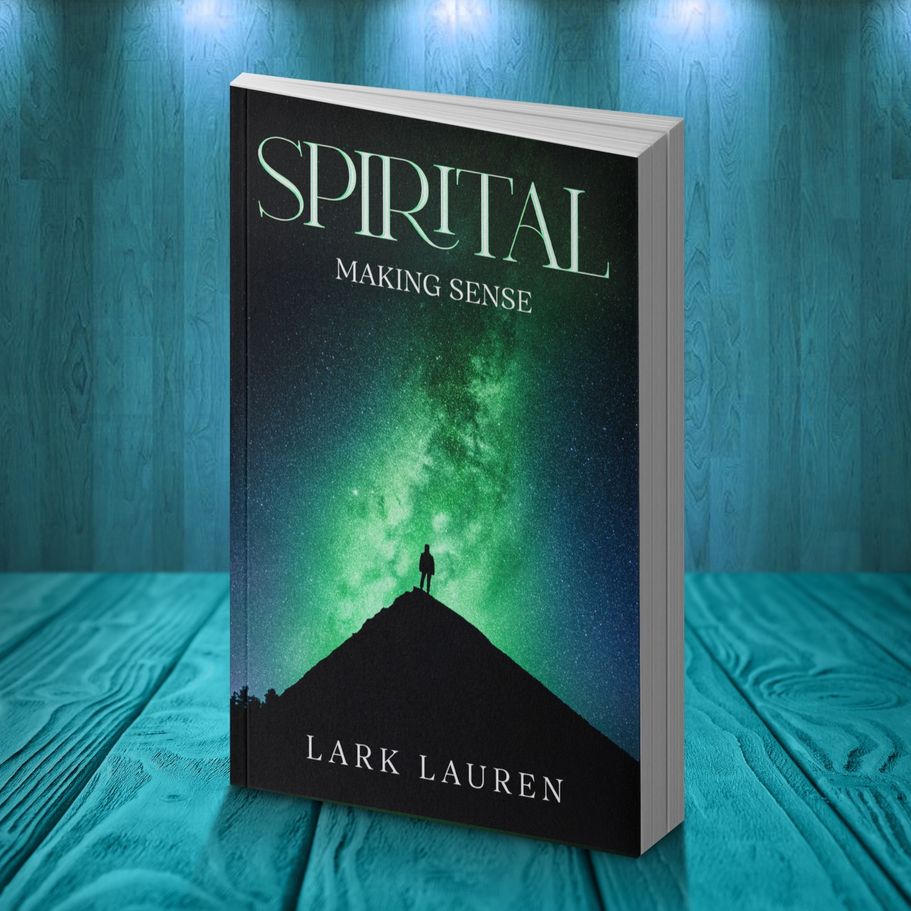
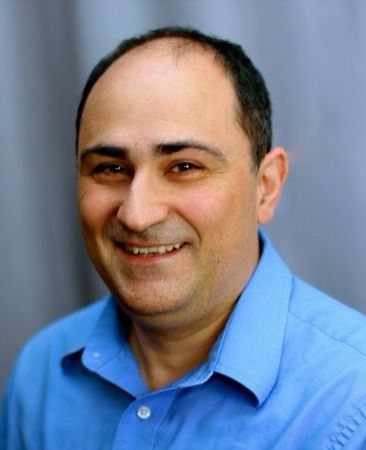
Lark Lauren / Laurentiu Herbei
A Theosophical and Metaphysical Framework
The work presented on Spirital.space emerges from the literary and contemplative practice of Lark Lauren, the authorial identity of Laurentiu Herbei, a technology and business‑growth executive and an active member of the Theosophical Society in America. His writing forms a unified metaphysical corpus that integrates spiritual phenomenology, symbolic narrative, and inner architecture. Across the five‑volume Spirital Series, the three‑volume Tourniquet Series, and the stand‑alone Glossary of Experience, this corpus explores the layered nature of consciousness, the dynamics of remembrance, and the movement toward alignment.
Metaphysical Architecture and Inner Growth
The Spirital Series establishes the foundation of this universe. In Spirital: The Symphony of Coming Home, the third volume, the narrative traces a shift from conceptual thinking toward direct awareness. The text describes states of stillness, heightened perception, and the dissolution of habitual mental storylines. These experiences are presented as lived phenomena, articulated through symbolic encounters, altered sensory awareness, and contemplative reflection. Spirital: Why Not, the fourth volume, expands this inquiry by examining purpose, memory, and the relationship between personal narrative and universal rhythm.
Together, these volumes define Spirital as inner architecture for growth: a system in which development is understood as the harmonization of perception, memory, and presence.
Symbolic Resonance and Collective Synchronization
The Tourniquet Series extends this architecture into the domain of symbolic action and communal resonance. A Hope That Never Dies, the second volume, situates awakening within a fragmented cultural landscape marked by disconnection and individualization. The narrative explores how remembrance, ethical presence, and shared purpose persist even as societal structures unravel. Shivers, the third volume, deepens this exploration through the figures of Maria, Velora, and Father Labby. Their interactions illustrate how memory, gesture, and silence can become vehicles for spiritual communication. The spiral gatherings described in the text present a form of collective synchronization that echoes Theosophical intuitions regarding shared vibration and the interplay between individual and universal consciousness.
Conceptual Framework: The Glossary of Experience
The Glossary of Experience serves as the conceptual anchor of the corpus. It defines key terms such as duality, ego, presence, synchronization, transcendence, soul, spirit, and unconditional love. These definitions provide readers with a reference framework for understanding the phenomenological processes described in the narrative volumes. The Glossary also situates this metaphysical system within a broader comparative context, drawing connections to Christianity, Hinduism, Tibetan Buddhism, Islam, Taoism, Platonism, and Theosophy.
The inclusion of Theosophy reflects Herbei’s active engagement with the Theosophical Society of America and his interest in layered consciousness, spiritual evolution, and the relationship between personal experience and universal principles.
A Dual Identity: Technology and Metaphysics
Herbei’s professional background contributes an additional dimension to this identity. His work in technology, strategy, and business growth emphasizes systems thinking, structural clarity, and iterative development. These sensibilities appear throughout the metaphysical corpus in the form of layered models, functional metaphors, and analytical reflections on memory, cognition, and perception. The integration of technological and metaphysical perspectives positions this work within a contemporary context, making it accessible to readers who seek both experiential depth and conceptual structure.
A Unified Metaphysical System
Taken together, the Spirital Series, the Tourniquet Series, and the Glossary of Experience form a unified metaphysical system. This system is shaped by Theosophical intuitions, informed by comparative spiritual traditions, and grounded in personal experience. It presents a model of inner architecture that guides readers from fragmentation toward alignment, from conceptual thinking toward presence, and from individual narrative toward shared resonance.
As both Lark Lauren and Laurentiu Herbei, the author offers a body of work oriented toward clarity, remembrance, and the cultivation of inner growth.